Complete Plumbing Services to Solve All Your Issues
Complete plumbing assistance cover a selection of approaches adapted to manage both small-scale and major issues. From leaks to complex repairs, qualified experts can skillfully manage these challenges. Preventive care becomes an critical function in maintaining the longevity of plumbing equipment. However, plenty of householders remain confused about when to call professional help. Recognizing these distinctions can substantially affect the efficiency and wellbeing of one's home environment. What points should one consider before arriving at that determination?
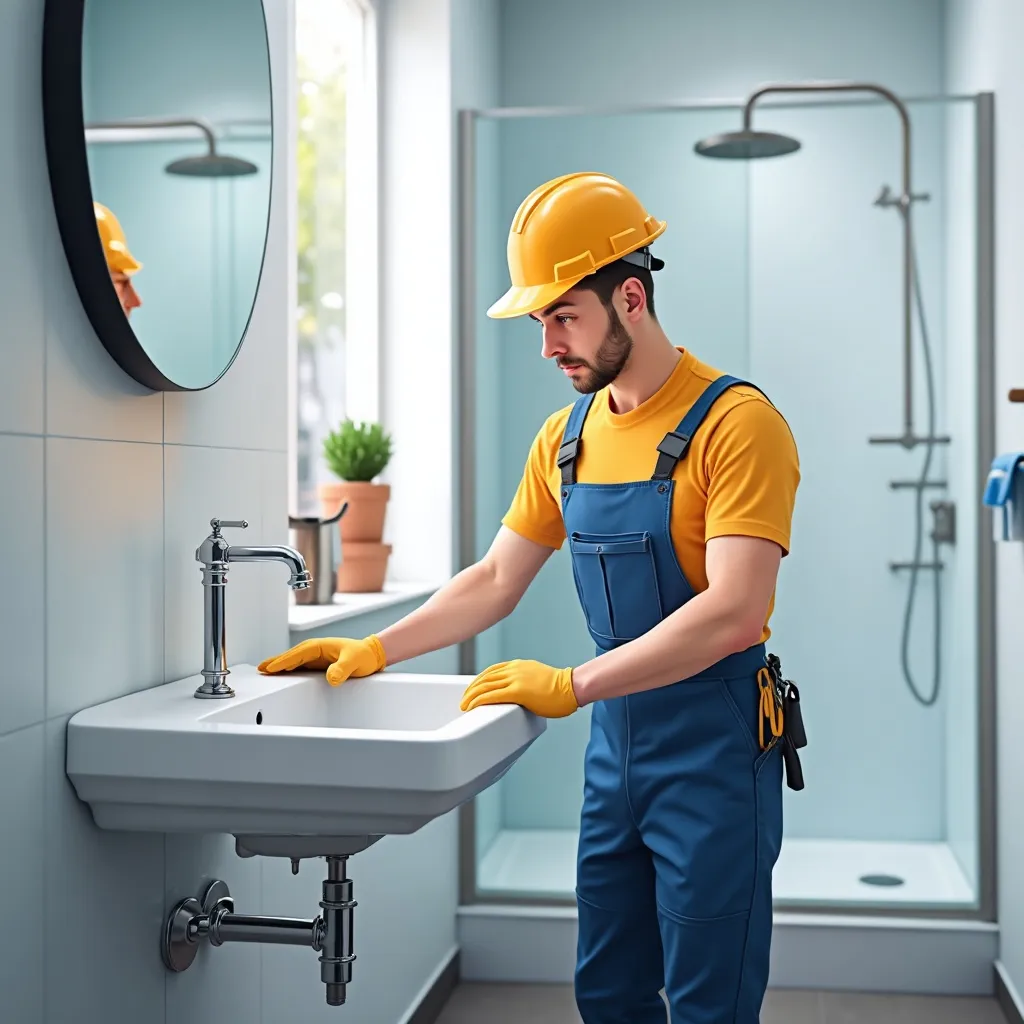
Detecting Prevalent Plumbing Difficulties and Answers
Recognizing standard plumbing concerns needs a keen observation and knowledge of everyday home issues. Homeowners commonly face leaks, blockages, and weak water pressure. Trickling fixtures and plumbing can bring about water damage and elevated water costs, while stopped-up drains can stem from buildup of particles, cooking oil, or extraneous items. Reduced water supply may be due to mineral deposits in pipes or concerns with the municipal supply.
To resolve these challenges, quick intervention is essential. For water seepage, homeowners should examine fittings and seals, tightening or replacing as needed. Clearing clogs may demand using a plunging tool, drain snake, or a blend of baking soda and vinegar. Low water pressure can sometimes be remedied by cleaning faucet aerators or contacting professional assistance for more intricate issues. Understanding these typical plumbing problems allows homeowners to execute timely solutions and copyright a working plumbing system.
Why Routine Plumbing Maintenance Is Critical
Routine plumbing maintenance is important for residents working to avoid expensive emergencies. By managing small problems before they intensify, homeowners can substantially extend the life expectancy of their plumbing systems. This forward-thinking strategy not only cuts expenses but also provides consistent functionality over time.
Reduce High-Cost Critical Issues
Proactive pipe maintenance can protect homeowners from unexpected disasters and costly repairs. Regular inspections allow for the timely identification of potential issues such as water seepage, clogs, and corrosion. By addressing these issues before they escalate, homeowners can prevent emergency situations that may lead to significant water harm and expensive restoration costs. Routine maintenance also ensures that parts like plumbing lines and fittings function efficiently, reducing the likelihood of abrupt breakdowns. Additionally, planned inspections can help identify wear and tear that might go overlooked, allowing for prompt actions. Ultimately, putting money in routine pipe care is a strategic decision that promotes peace of mind and safeguards the home against pipe crises.
Extend System Lifespan
Keeping your plumbing setup in good condition is vital for increasing its service life and maintaining peak performance. Regular servicing helps spot and address emerging issues before they intensify, limiting deterioration on pipes, fixtures, and appliances. Scheduled evaluations can identify seepage, rust accumulation, and drainage issues, permitting rapid repairs that avert expensive damage. In addition, preserving correct water pressure and condition supports the permanence of the plumbing infrastructure. Occupants who allocate funds toward regular servicing can boost their operational efficiency, producing decreased utility expenses. Ultimately, preventive explore the facts measures not only secures the plumbing infrastructure but also fosters a safer living space, rendering routine upkeep a sensible and vital obligation.
How to Reduce Frequent Plumbing Issues With Routine Maintenance
Thorough plumbing maintenance is vital for minimizing the risk of common problems such as leaks, clogs, and corrosion. Regular assessments of pipes, faucets, and fixtures can help detect potential problems before they escalate. Homeowners should routinely inspect for staining and dampness, as these may reveal undisclosed leaks. Additionally, purging drains monthly with a mixture of vinegar and baking soda can inhibit buildup and clogs.
Proper removal of materials, such as grease and non-biodegradable substances, is vital to preserving clear pipes. Moreover, insulating exposed pipes can protect them from freezing and bursting during colder months. Regularly maintaining water pressure and temperature can also extend the life of plumbing systems. By implementing these proactive measures, individuals can greatly reduce the likelihood of plumbing emergencies, guaranteeing a more efficient and reliable system.
Why Working with Professional Plumbers Cuts You Hours and Money
Employing certified plumbers delivers notable advantages that can ultimately save both time and money. Their expertise minimizes the risk of costly mistakes during fixes or installations. Furthermore, investing in skilled services usually results in long-term cost savings through efficient and durable solutions.
Expertise minimizes Mistakes
Engaging a skilled plumbing expert can significantly diminish the likelihood of costly errors in plumbing projects. Their expertise and background equip them with the knowledge to identify and address issues that may be overlooked by amateurs. From selecting the correct materials to using proper methods, professionals guarantee that the work is done right the first time. This expertise minimizes the chance of harm, such as water seepage or water pressure problems, which can arise from faulty setups. Additionally, experienced professionals stay updated on the current standards and requirements, ensuring adherence and further decreasing the likelihood of future complications. By choosing professional assistance, homeowners both save time and reduce the frustrations and expenses connected to amateur mistakes.
Long-Term Financial Savings
Professional plumbing services not only reduce errors but also contribute significantly to long-term cost savings for homeowners. Hiring experienced plumbers enables individuals to avoid costly repairs caused by DIY mistakes. Professionals have the essential tools and know-how to accurately diagnose issues and apply effective solutions, stopping recurring issues common in amateur efforts. Moreover, licensed plumbers usually have access to premium materials at better rates, securing durability and efficiency. Such a proactive strategy minimizes the risk of emergency scenarios, often financially taxing. Eventually, investing in professional plumbing services yields benefits through lower utility bills and improved property value, allowing homeowners to relax and save money.
When Should You Do the Work Yourself vs. Calling a Professional?
When confronted with plumbing issues, how does one determine whether to handle the problem independently or seek expert help? The decision often copyrights on the complexity and severity of the situation. Minor issues, such as a clogged sink or a dripping tap, may be manageable for those with basic tools and a little understanding. However, more serious problems, like major leaks or widespread pipe deterioration, typically require professional intervention due to the risk for further complications.
In addition, people should assess their own ability level and experience. If confusion remains about how to proceed, summoning a professional can prevent high-cost mistakes. Safety is another essential factor; any work pertaining to gas lines or electrical power should always be left to trained experts. All things considered, weighing the probable risks and costs against individual capability can assist homeowners in making the right choice between do-it-yourself projects and contracting a plumbing professional.
Determining the Optimal Plumbing Service for Your Specific Requirements
Choosing the appropriate plumbing service can be difficult, especially since multiple elements affect the choice. Homeowners should initially assess their specific needs, whether it includes regular upkeep, emergency repairs, or setup work. Investigating prospective providers is vital; reviewing web ratings, feedback, and qualifications can provide information into their dependability and craftsmanship.
Also, requesting multiple quotes can assist in determining fair pricing. It is essential to look into warranties and guarantees on services provided, as this conveys the company's confidence in their work. Licensing and insurance are required; trusted plumbing professionals will maintain the necessary certifications to work legitimately and shield homeowners from risk.
Finally, take into account the company's availability and responsiveness, particularly in emergencies. A trustworthy plumbing service should be accessible and ready to address emergency problems quickly, ensuring confidence for the property owner. By assessing these considerations, individuals can make informed decisions suited to their plumbing requirements.
Standard Queries That Are Asked Frequently
What Are the Indicators of an Undetectable Plumbing Leak?
Indications of a concealed plumbing leak include unusual water charges, damp spots on walls and ceilings, mold growth, a persistent musty odor, water pooling in unexpected areas, and a reduction in water flow across the house.
Where Is My Main Water Shut-Off Valve Positioned?
To find the main water cutoff valve, one should check near the outer edge of the house, often in basements, crawl spaces, or garages. It typically looks like a round or lever-type valve on a water line.
What Ought to I Take Action in a Water System Disaster?
When facing a plumbing crisis, the first step is to turn off the main water supply, evaluate the problem, and stop any leaks from spreading. If necessary, calling a professional plumber right away is advisable to avoid additional damage.
Can you locate eco-conscious water options?
Yes, environmentally conscious water system solutions are available. These include low-flow fixtures, on-demand water heating systems, and eco-conscious components. Such options not only reduce water consumption but also promote power conservation, helping both the environment and residents' utility bills.
How Often Should I Inspect My Pipes?
Inspecting a plumbing system should occur at least once a year. Routine inspections help identify leaks, rust, or clogs early, avoiding expensive fixes and guaranteeing the system operates efficiently. Homeowners often gain advantage from expert evaluations every few years.